Same-face syndrome is a phenomenon observed whereby artists would often draw similar faces for their characters. This syndrome was especially prevalent in the 2010s, where teens are often the subject of popular Japanese anime, and young artists, who are often impressionable and inspired, would follow in their footsteps.
A deeper observation yields that the phenomenon of same-face syndrome often intertwines with the concept of baby-face, a type of look that is rooted with bias.
Someone with a ‘baby-face’ is defined as having “round features, large eyes, small noses, high foreheads, short chins, and relatively lighter skin and hair” (Lidwell, Holden & Butler, 2003). It is no surprise that someone with more ‘baby-face’ features are perceived to be more likable, hence its connection with the same-face syndrome trend. There’s more to it than that however; according to the Universal Principles of Design (2003 edition), people with baby-faces are also associated with innocence, and honesty. In the perspective of human psychology, the Universal Principles of Design states that adults with baby-face are unfortunately less likely to be taken seriously (especially in authoritative roles), due to the subconscious perception that they are more naive than their less baby-face counterparts.

From my personal observations, baby-faced people are considered more “submissive” and therefore “safer” to interact with. Submissiveness, in this case, can yield the effects of people either wanting to guide or command said person. Due to the labels of “innocence” and “naivety” on their looks, they are therefore often main characters in popular media geared towards teens/young adults, as innocent-looking characters are often more likable and easier to be projected onto, compared to more angular characters with smaller features and bigger chins. Baby-face is also associated with femininity, which makes the audience feel safer due to cultural associations of femininity being safer than masculinity. After all, men have historically been reported to more often be perpetrators of violence than women, and the softer features of women/femme-looking people look closer to children than more angular features of men/masc-looking people. It is also a possible reason why women have historically (and unfortunately) been taken seriously than men, especially when they are younger.
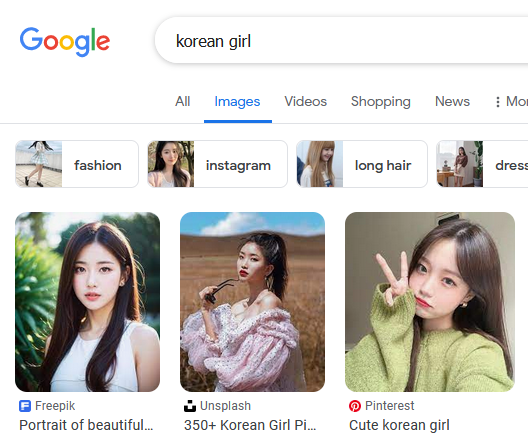
This is also why character designers often design innocent (i.e more approachable) characters to be rounder, and mature characters to be more angular. It is also common for character design courses to tell aspiring artists to design people that way. Even in Universal Principles of Design, it was advised to use “mature-faced people” to “convey expertise and authority”, and “baby-faced people” to convey “testimonial information and submissiveness”. As someone who has expertise in UX, I am compelled to agree, and even follow that advice, despite my personal discomfort with it.
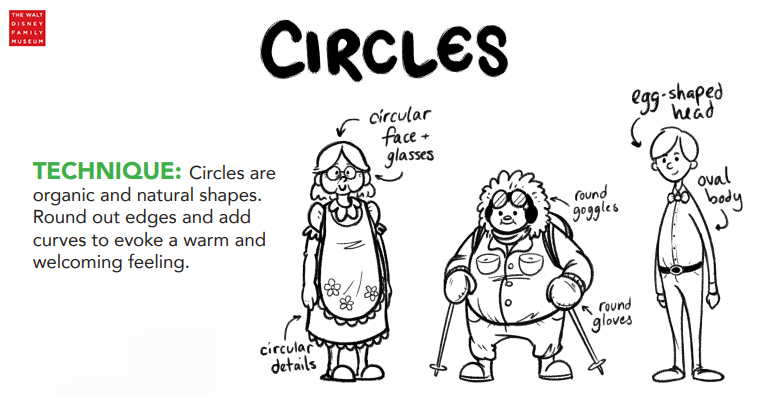
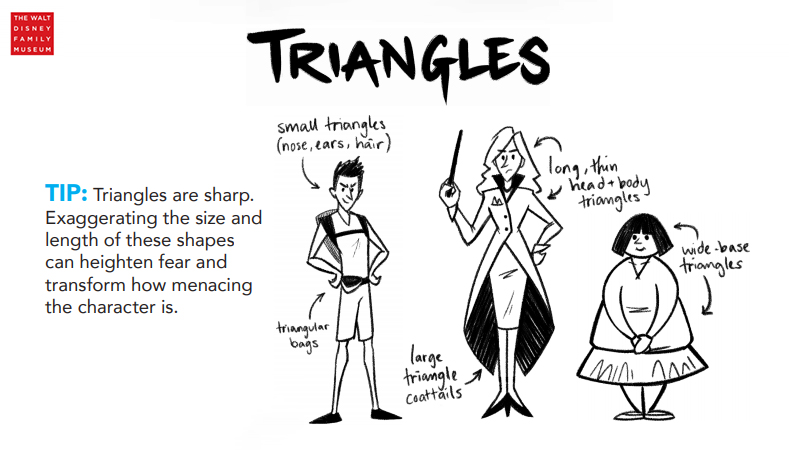
Images of character design tutorials, done by Dream Farm Studios. Notice that circles are more associated with “welcoming” while triangles are more associated with “menancing”. In my personal observation, Innocence has historically been more “welcoming” and “approachable” than maturity, which can sometimes be “menancing”.
As someone who has a baby-face himself, and the size to match, biases such as these used to deepen my own insecurities of not being taken seriously. I also often short-change my own achievements and work. Obviously, being male, I can only imagine the insecurities I have are 100 times worse coming from a woman or femme-looking person, especially as such biases towards them are more overt. And yet, at the same breath, I admit that I find myself more compelled to approach baby-faced people for help (and/or connect with them) rather than people with less baby-faced features.
I am therefore compelled to ask these questions: Is using “baby-faced” people to convey naivety, and “mature-faced” people to convey authority perpetuating to our collective subconscious that “baby-faced” people are not necessarily reliable, unethical? Is it even possible for cultures to unlearn “baby-face bias”, if we take away existing biases in our society that constantly perpetuates that?
Something seemingly small as “baby-face bias” can have such a big effect on the culture of people. The Universal Principles of Design mentioned that baby-faced adults are more likely to be punished if they pled guilty, due to the stark contrast “between the expectation of innocence and the conclusion of guilt” (Lidwell, Holden & Butler, 2003). Babies with weaker baby-faced features are “rated less likable” and “less fun” than babies with stronger baby-faced features. Biases and insecurities exist everywhere, after all, and we are ultimately primates; baby-faced bias might as well be a developmental bias, as part of our evolutionary traits for survival.
Therefore, I am not sure we can ever unlearn such biases in reality, but with the advent of diversity being pushed in media and more progressive workplaces in our 2020s in industrially developed countries, at the very least, people can be more self-aware of such issues. With self-awareness, comes a better understanding of our own biases, which could allow us to make better informed decisions in shaping our culture. After all, diversity is also a part of our evolutionary traits, and there historically had been movements where traits associated with baby-faces are rooted with empowerment (see Lolita fashion, Kawaii-ness in Japan). Perhaps subverting of expectations in media, which has only been getting more popular, can even dispel our biases with baby-faced people in our own lives.
Leave a Reply